Posts Tagged ‘trumpet’
Posted by glennled on August 21, 2013

Trumpet Soloist, Symphonic Band, HIMS
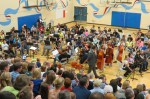
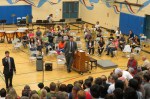
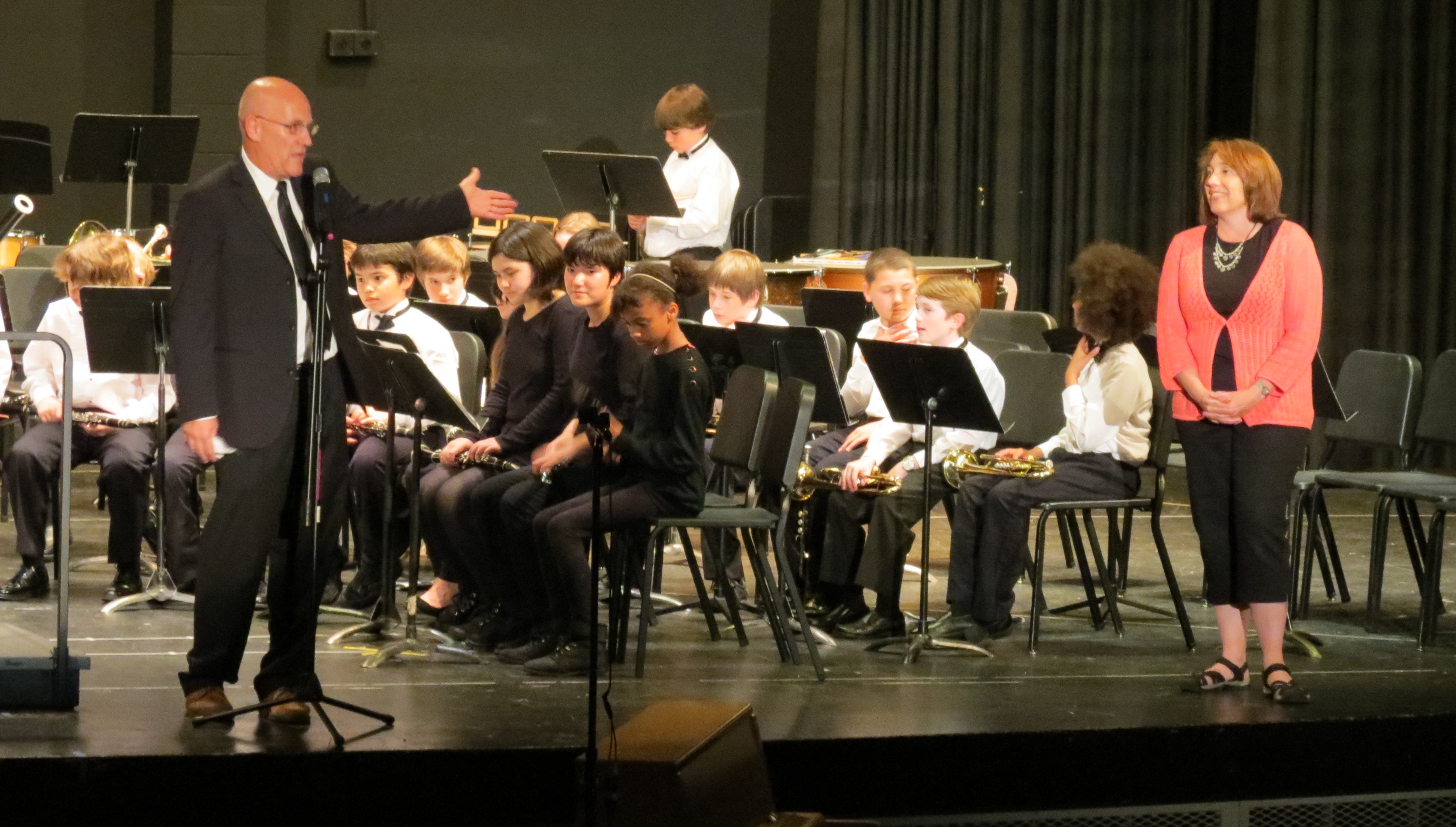
Dan Rowe, Music Director of Concert and Jazz Bands at Hamilton International Middle School (HIMS) in the Wallingford district of north Seattle, ended the school music year on 6 June with an expert Spring Band Concert at Lincoln High School Auditorium. He conducted four bands comprised of almost 300 students in total: the Beginning (58 members), Cadet (87), Concert (72), and Symphonic (75) bands.
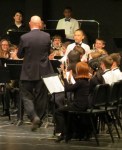
Two trumpet players were among those singled out in each band for special awards. The Outstanding Musician Award for the Cadet Band went to trumpeter, Carter Eng. The Most Improved Musician Award for the Concert Band went to trumpeter, Juliana Silldorff.
The music program at HIMS is supported by Friends of Music at Hamilton International (FOMAHI). Please see www.fomahi.org. FOMAHI was headed in 2012-2013 by Alicia Edgar, President. For my article and photos about last winter’s band concert, please see my blog post of 24 December 2012.
Below is a gallery of photos from the concert. Please click on any photo to enlarge it.
-

-
Beginning Band, HIMS
-

-
HIMS Beginning Band
-

-

-
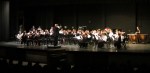
Trumpeters, Beginning Band, HIMS
-

-
-
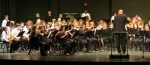
Cadet Band, HIMS
-

-
-

-
-
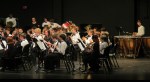
Trumpet Section (14), Cadet Band
-

-

-
-
Dan Rowe presents Outstanding Musician Award, Cadet Band, to Carter Eng, trumpeter
-

-
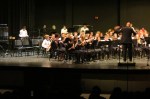
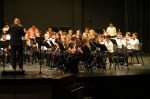
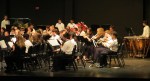
Concert Band, HIMS
-

-
HIMS Concert Band
-
-
-
-

-
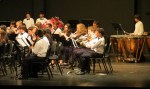
Trumpet Section (9), Concert Band
-
-

-

-

-
Piano soloist, Concert Band, “”The Seal Lullaby” by Eric Whitacre
-
-
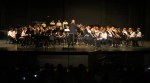
Symphonic Band, HIMS
-

-

-

-
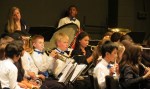
Trumpet Section (10), Symphonic Band, HIMS
-
-
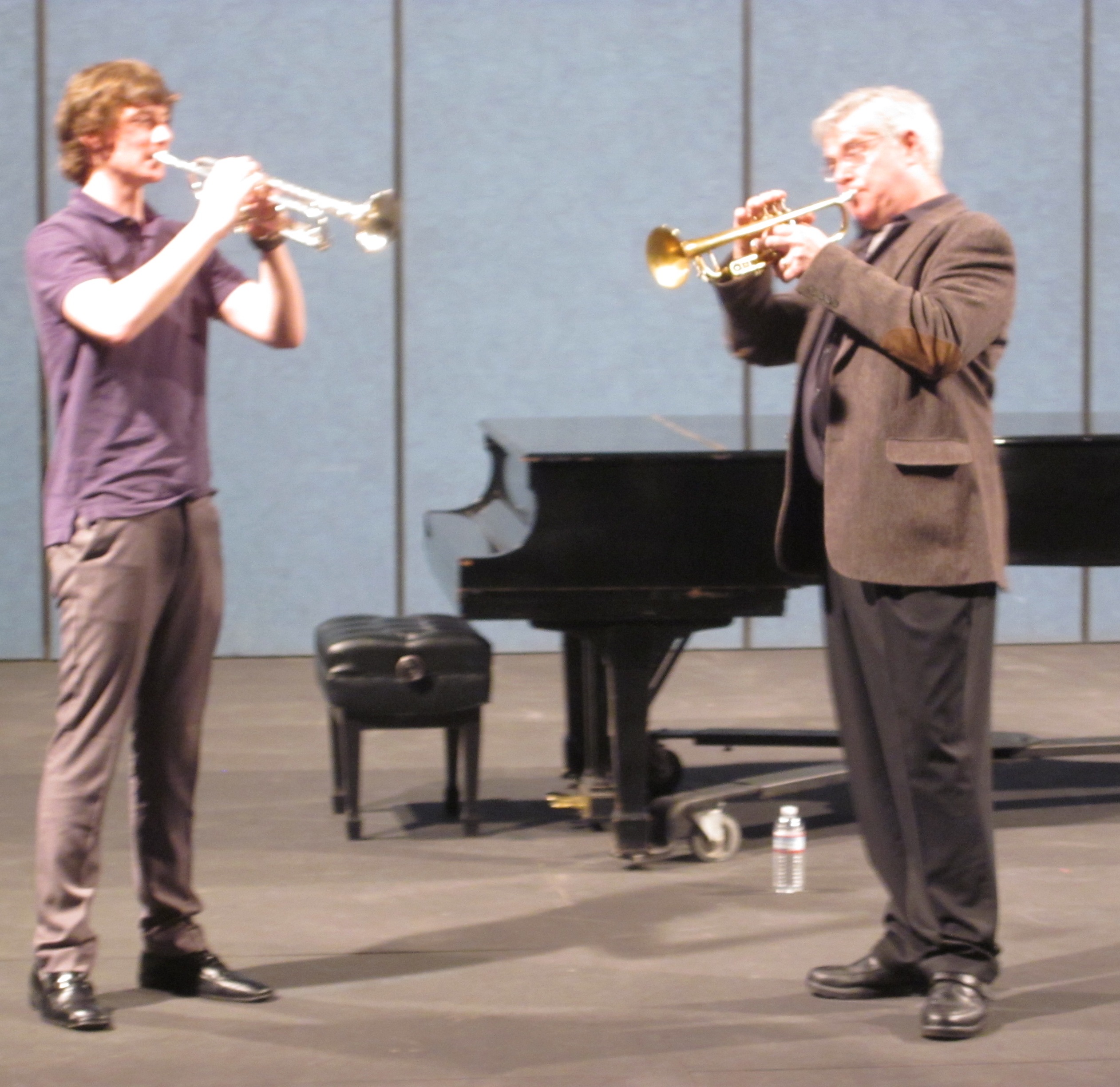
Trumpet Duet
-

-
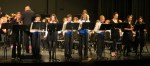
Balloon Soloists, Symphonic Band, HIMS, “Rondo” by W.A. Mozart/Arranged by Larry Clark
-
-
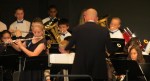
Clarinet Section, Symphonic Band, HIMS, “Pie In the Face Polka” by Henry Mancini/Arranged by Johnnie Vinson
-
-

-

-

Posted in School Concerts | Tagged: band, concert, Dan Rowe, FOMAHI, Friends of Music at Hamilton International, Hamilton International Middle School, HIMS, musician, symphonic, trumpet, trumpeter | Leave a Comment »
Posted by glennled on June 4, 2013

Concert Band, Juanita High School
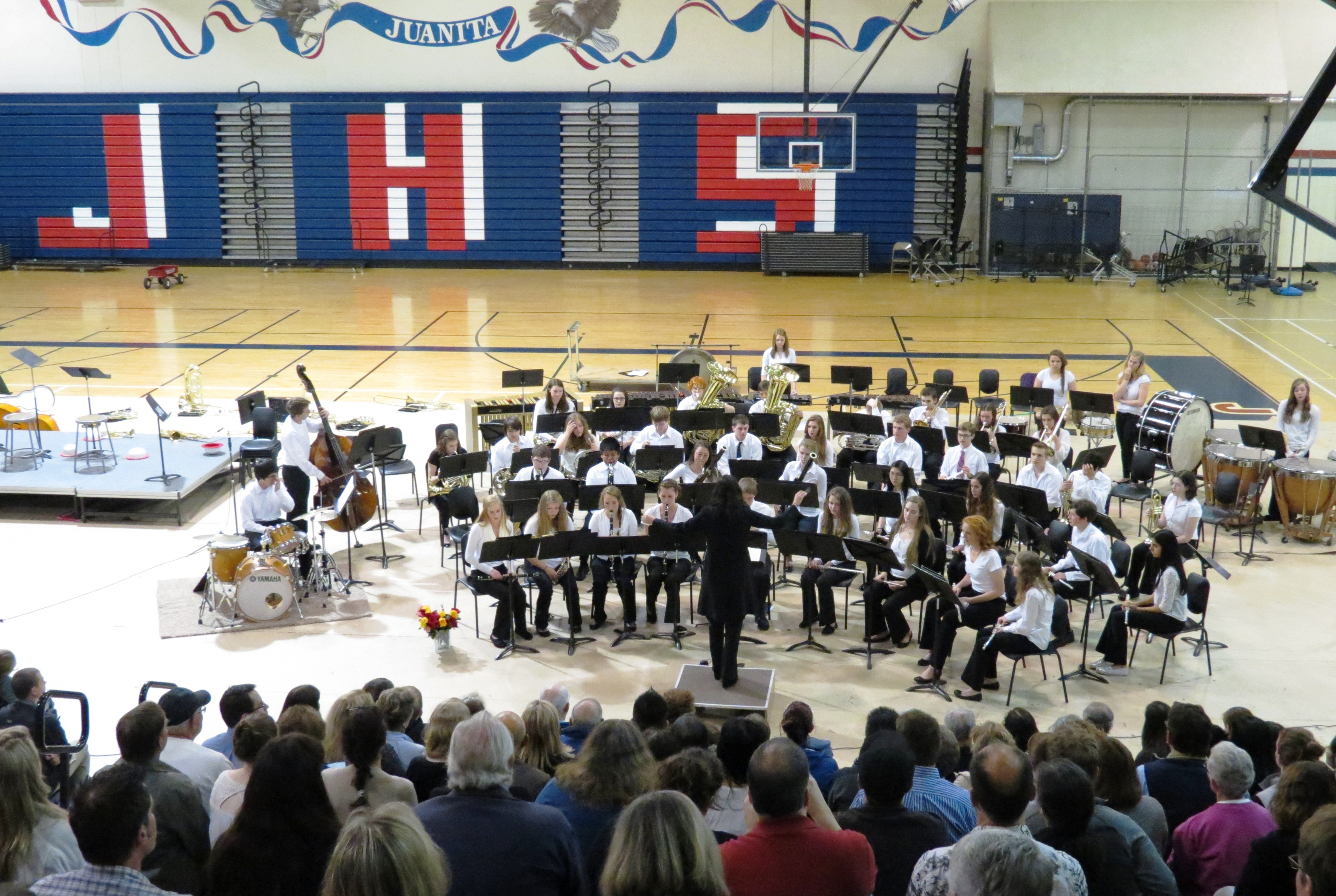
Two of my trumpet students—one current, one past—played in the “Final Concert” of the school year at Juanita High School in Kirkland on 29 May—so I simply had to go! And, as always, I’m very glad I did. One student is in the Concert Band (for freshmen), and the other is in the Symphonic Band (for sophomores). Both bands, plus the Wind Symphony (for juniors and seniors) and the Jazz Band, are under the very capable direction of Mariko Lane. Also on the program were the Concert Choir (all girls) and the Concert Choir (co-ed), directed by Lehua Pischke.
The Jazz Band opened the concert with “Big Swing Face,” followed by “Little Brown Jug” and “The Elks Parade.” The next band was the 46-member Concert Band, playing a “Symphonic Suite from the ‘Lord of the Rings’.” After that, the Symphonic Band (42 members) played a medley from “The Phantom of the Opera.” And finally, the Wind Symphony (40 members) played a “Star Wars Medley.”
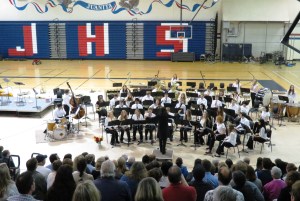
Symphonic Band, Juanita High School
The music was challenging for the musicians and entertaining for the audience. It was evident that Ms. Lane is well-loved by her musicians, who follow her direction with precision. The balance of the instrumental sections was very impressive—for example, she kept the power of the brass in check, and the blending of the instruments was very pleasant. Also, she chose arrangements that featured solos by several of her best musicians.
The Jazz Choir sang a “Swing Around Suite” which included “A Tisket, A Tasket,” “God Bless the Child,” and “How High the Moon.” The Concert Choir sang “The Lion King: The Broadway Medley,” and “Bridge Over Troubled Water.”
Please click on any photo to enlarge it.
-

-
Jazz Band
-
-
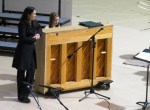
Mariko Lane listens to Jazz Band
-

-
Trumpet Section, Jazz Band
-

-
Trumpet Solo
-
-
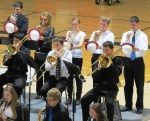
Hats – “Little Brown Jug”
-
-
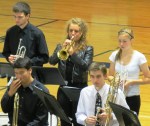
Trumpet Solo
-
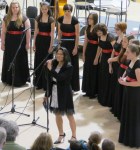
-
Jazz Choir, Lehua Pischke, Conductor
-

-
Jazz Choir with Lehua Pischke on piano
-
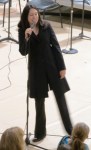
-
Mariko Lane introduces the Concert Band
-

-
The Four Trumpeters, Concert Band
-
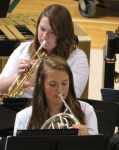
-
Sarah D., trumpeter
-
-
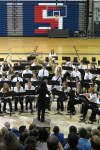
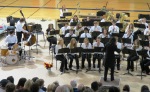
Symphonic Band
-
-
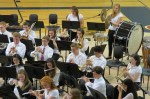
Symphonic Band
-
-
5 of 7 trumpeters, Symphonic Band
-

-
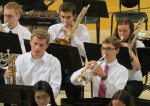
2 of 7 trumpeters, Symphonic Band
-
-
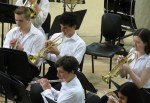
Trumpet solo
-
-
Aaron G. (center), trumpeter
-

-
Aaron G. (right), trumpeter
-

-
Concert Choir, Lehua Pischke at piano
-

-
Seniors’ Farewell
-

-
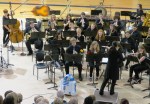
Wind Symphony
-
-
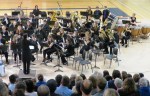
Wind Symphony
-
-
Wind Symphony
-
-
Trumpet Section, Wind Symphony
-
-
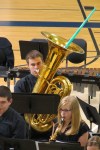
Tuba, Wind Symphony
Posted in School Concerts | Tagged: Juanita High School, Kirkland, Lehua Pischke, Little Brown Jug, Lord of the Rings, Mariko Lane, Star Wars Medley, The Phantom of the Opera, trumpet, trumpeters | Leave a Comment »
Posted by glennled on June 1, 2013
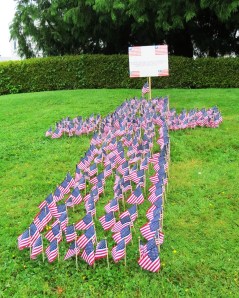
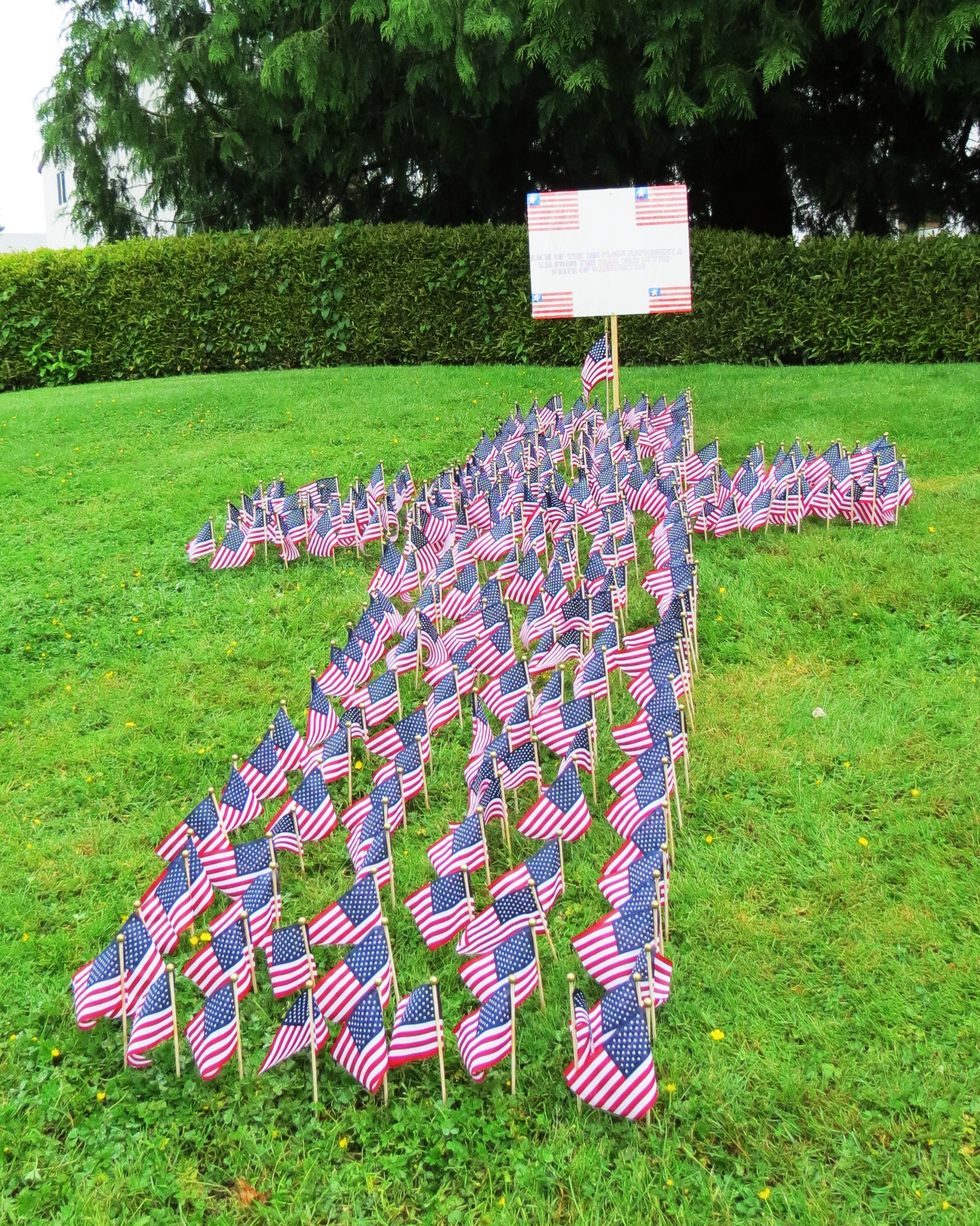
286 flags to honor the Washingtonians who died in the Irag War
Of course it rained in Lynnwood on Memorial Day! That’s because there was an outdoor ceremony being performed at Veterans Park to honor our nation’s war dead. It always rains then–it’s traditional. But some 250 people didn’t care and came anyway, God bless ’em!
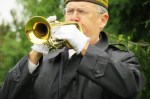
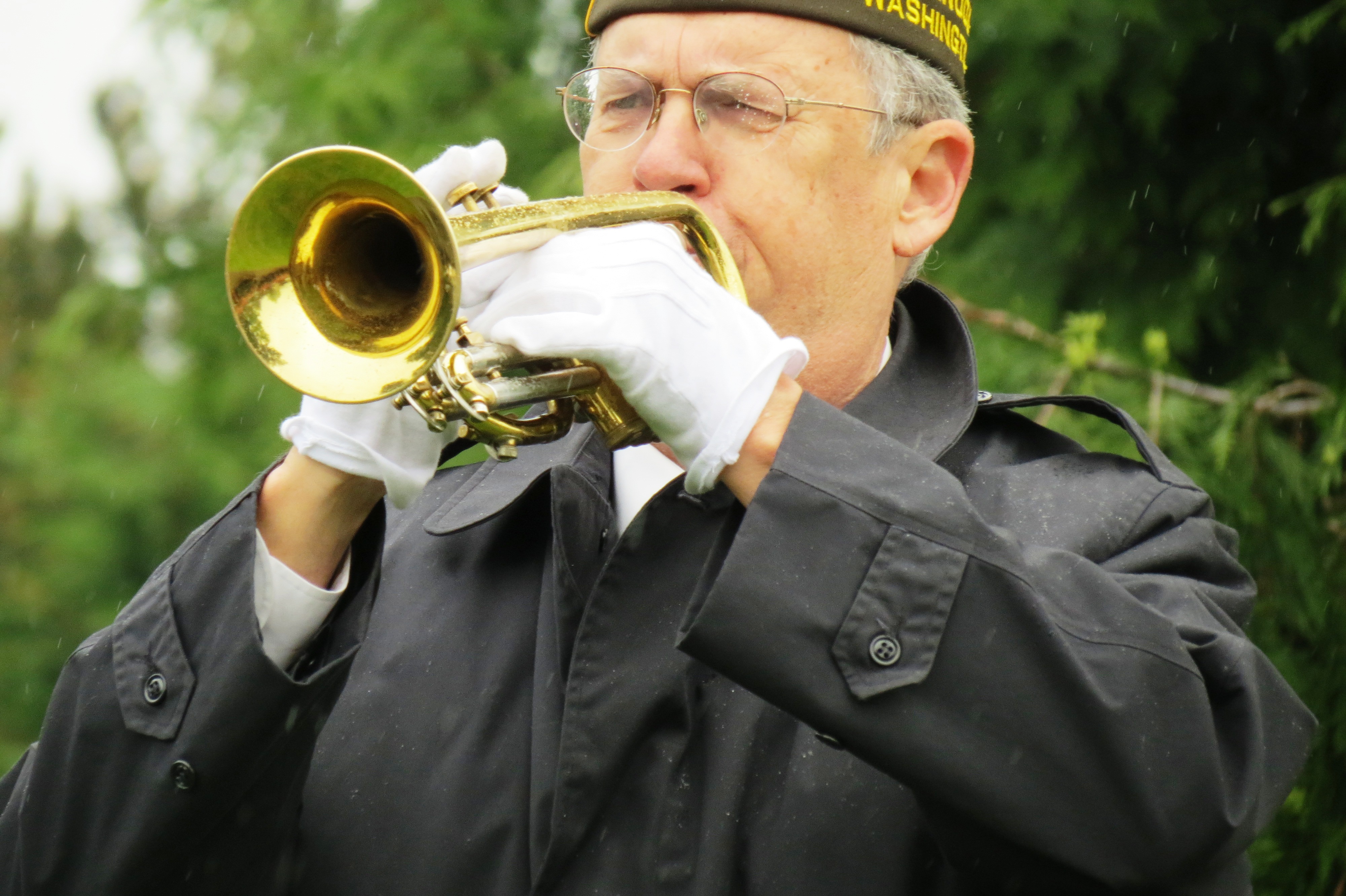
Glenn Ledbetter sounds “Echo Taps”
And as Bugler of VFW Post 1040, I had the privilege to sound three bugle calls—first, “Assembly,” to catch the crowd’s attention and cue the Northwest Jr. Pipe Band to commence the ceremony; then “Echo Taps” to close the ceremony; and finally, “To the Color” when honors were rendered as the American flag was hoisted to full mast at noon, according to custom and protocol.
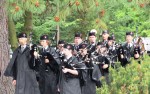
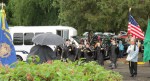
Boy Scouts Troop 49 of Lynnwood placed flags in the park and distributed the programs. Garret Lloyd King sang three songs, and VFW Post Piper Ray Colby played “God Bless America” on the bagpipes. The Northwest Jr. Pipe Band played “Green Hills,” “Battles Ore,” and “Amazing Grace.” The “echo” part of “Taps” was sounded by Josiah Chupik, lead trumpeter of the Woodinville High School Bands and a former trumpet student of mine. And the three-volley rifle salute by the VFW Post 1040 Honor Guard was perfect.
Please click on any photo to enlarge it. For more information, please see:
-
-
Northwest Jr. Pipe Band
-
-
Northwest Jr. Pipe Band marches into position
-

-
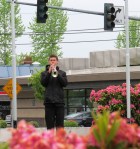
Josiah Chupik, lead trumpeter, Woodinville High School Bands, sounds the “echo” in “Echo Taps.” Photo by Molly Chupik
-
-
Josiah Chupik, “echo” bugler, Woodinville High School senior
-
-
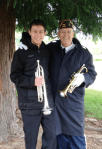
Josiah Chupik (L) and Glenn Ledbetter (R), buglers for “Echo Taps.” Photo by Molly Chupik
-

-
Glenn Ledbetter and Josiah Chupik, “Echo Taps” buglers
Posted in Ceremonies & Celebrations | Tagged: Assembly, bugle, bugler, echo taps, Taps, To the Color, trumpet, trumpeter, VFW Post 1040 | 4 Comments »
Posted by glennled on March 12, 2013
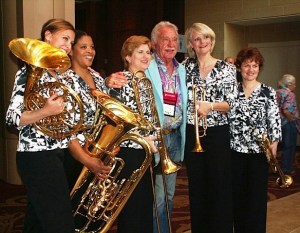
Doc Severinson with the Stiletto Brass Quintet
If you’re attending in the 22nd Annual National Trumpet Competition this week, you’re probably already in Arlington, Virginia where it begins this Thursday on the campus of George Mason University. If not, like me, then you might want to check it out at http://www.nationaltrumpetcomp.org/.
The competition is comprised of six divisions: junior, high school, undergraduate, graduate, jazz, and ensemble. In the junior division, there are six competitors; high school, 33; undergraduate, 41; graduate, 36; jazz, 12; and ensemble, 30. Two ensembles are from Central Washington University in Ellensburg, Washington.
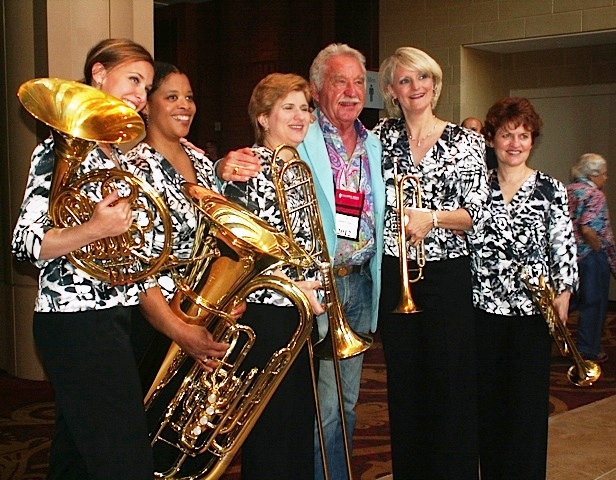
The U.S. Navy Band opens the event with a concert, also featuring Tromba Mundi and others, on Thursday, and the Stiletto Brass Quintet (five women, including Amy Gilreath and Cathy Leach on trumpet) plays a two-hour concert featuring Doc Severinson on Friday. That evening, Tom Harrell and his Jazz Quintet appear in concert at Harris Hall, free admission.
Trumpeters conducting clinics and master classes include Charles Lazarus, Vince DiMartino, Joey Tartell, Chris Moore, and Etienne Charles.
For more information, please see:
Posted in Festivals & Competitions | Tagged: Amy Gilreath, Cathy Leach, Central Washington University, Charles Lazarus, Chris Moore, Doc Severinson, ensemble, Etienne Charles, George Mason University, Joey Tartell, National Trumpet Competition, Stiletto Brass Quintet, Tom Harrell, Tromba Mundi, trumpet, U.S. Navy Band, Vince DiMartino | Leave a Comment »
Posted by glennled on March 6, 2013
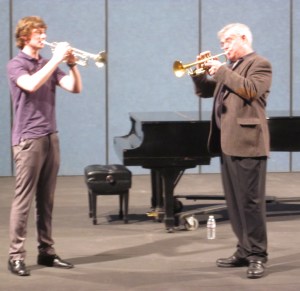
Cole, a junior at Edmonds-Woodway High School, plays with Peter Bond of the Metropolitan Opera Orchestra in New York
Yes, the evening concert at the fourth annual NW Trumpet Arts Festival on 3 March at Seattle Pacific University (SPU) featured five highly accomplished, professional trumpeters, headed by Peter Bond of the Metropolitan Opera Orchestra in New York and Dr. Brian Chin of SPU and the Tacoma Symphony Orchestra.
But I went to the festival to hear the kids play. The afternoon program consisted of two Master’s Classes and a Student Concert. Peter Bond taught the class on “Practicing Fundamentals,” and Chad McCullough taught the one on “Practicing Jazz Improvisation.” There were almost 50 people at these sessions. Dr. Chin emceed the event, sponsored by the Yamaha Corporation, Kennelly Keys Music, and SPU.
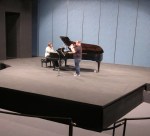
The Student Concert gave six trumpet students the golden opportunity to play, with piano accompaniment, in a non-competitive environment for their peers, the five professional artists, and an appreciative public audience. All the students played very challenging music. They received written feedback from the professional trumpet artists and a classy festival T-shirt. What a special event this is! As it continues to grow, the festival aims to draw at least 100 people.
Please click on any photo to enlarge it.
-

-
Allison, freshman, SPU, Seattle
-
-
Peter Bond, Metropolitan Opera Orchestra, New York
-

-
Aaron & Peter Bond
-

-
Peter Bond emphasizes a point to Cole about practicing fundamentals
-

-
Chad McCullough, jazz trumpeter
-

-
Carter, senior, Shorecrest High School, Shoreline
-

-
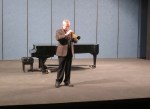
John, junior, Roosevelt High School, Seattle
-
-
Brandon, a graduate of Central Washington University, Ellensburg
-

-
Michaela, senior, Meadowdale High School, Lynnwood
-

-
Aaron, junior, Kamiak High School, Mukilteo
-
-
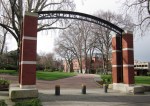
SPU Campus, Main Entrance
-

-
-
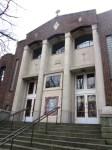
McKinley Hall, E.E. Bach Theater, site of 2013 NW Trumpet Arts Festival
Posted in Festivals & Competitions | Tagged: Brian Chin, Chad McCullough, improvisation, jazz, Kennelly Keys Music, Metropolitan Opera Orchestra, NW Trumpet Arts Festival, Peter Bond, Seattle Pacific University, SPU, Tacoma Symphony Orchestra, trumpet, trumpeters, Yamaha Corporation | 2 Comments »
Posted by glennled on February 4, 2013
 Trumpeters! Want to become your best? Want a quick study on playing the trumpet? Feel like you’re stuck on something and just not getting any better at it, no matter what? Want to hear how advanced, professional trumpeters do things and what they’ve learned through their years of experience? Want to ask them a question about something?
Here’s your chance on Sunday, 3 March—attend the Trumpet Arts Festival being held at Seattle Pacific University (SPU) in Queen Anne. Please see http://trumpetarts.com/NW_Trumpet_Arts_Festival/Welcome.html.
The following trumpeters are featured this year: Peter Bond, Metropolitan Opera Orchestra, NYC; Anthony Di Lorenzo, soloist; Chad McCullough, jazz soloist; Judson Scott, University of Puget Sound; and Brian Chin, SPU. To learn more about them, please see http://trumpetarts.com/NW_Trumpet_Arts_Festival/Artists.html.
It’s a full program:
- At 2 p.m., the Masterclass: “Practicing Fundamentals”
- At 3:30 p.m., the Masterclass: “Practicing Improvisation”
- At 4:30 p.m., Student Concert open to the public
- At 7:00 p.m., Artists’ Concert open to the public
- At 9:00 p.m., After-hours Jazz Jam at Thai Fusion, 15 Nickerson St
If you like, you can bring your horn and piano music and play for the Artists. They will give you written comments on your performance. This is supportive, professional, expert feedback, not a contest. Bring your own pianist/accompanist, or rehearse for a half hour and perform with the pianist furnished by the Festival. An extra $40 fee covers the cost. For details, please see http://trumpetarts.com/NW_Trumpet_Arts_Festival/Students.html.
The location is the E.E. Bach Theater, SPU, 3307 Third Avenue West, Seattle. The cost is $25 tuition for the day and $10 for the evening concert only. Come learn more about yourself and your horn and hear some great music!
Posted in Festivals & Competitions | Tagged: Anthony Di Lorenzo, arts, Bach Theater, Brian Chin, Chad McCullough, concert, festival, horn, jam, jazz, Judson Scott, Metropolitan Opera Orchestra, Peter Bond, piano, Seattle Pacific University, SPU, Thai Fusion, trumpet, trumpeters, University of Puget Sound | 2 Comments »
Posted by glennled on January 22, 2013
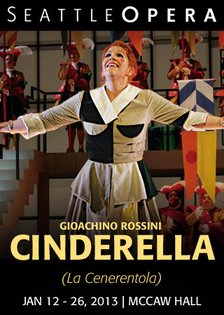
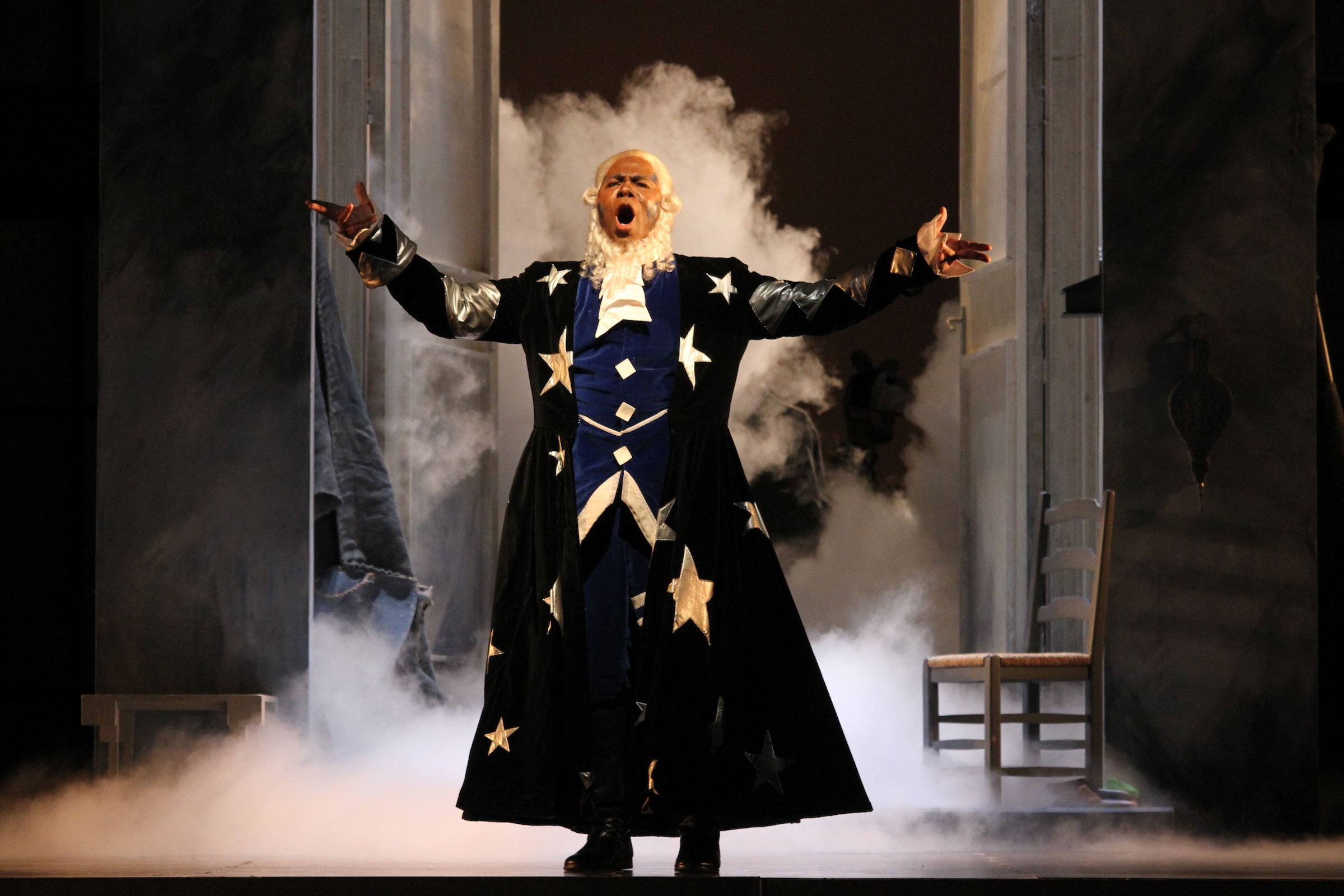
On Sunday, 13 January, it was time for my wife and me (opera novices) to be re-introduced to Gioachino Antonio Rossini, the  composer whose nickname was “The Italian Mozart.” We were both familiar with The Barber of Seville, but it was so long ago, we can hardly be sure of when, where and what. So off we drove to McCaw Hall not knowing what to expect to see and hear at the Seattle Opera’s matinee performance of Cinderella (La Cenerentola)—almost 200 years after it premiered at Teatro Valle, Rome, 25 January 1817.

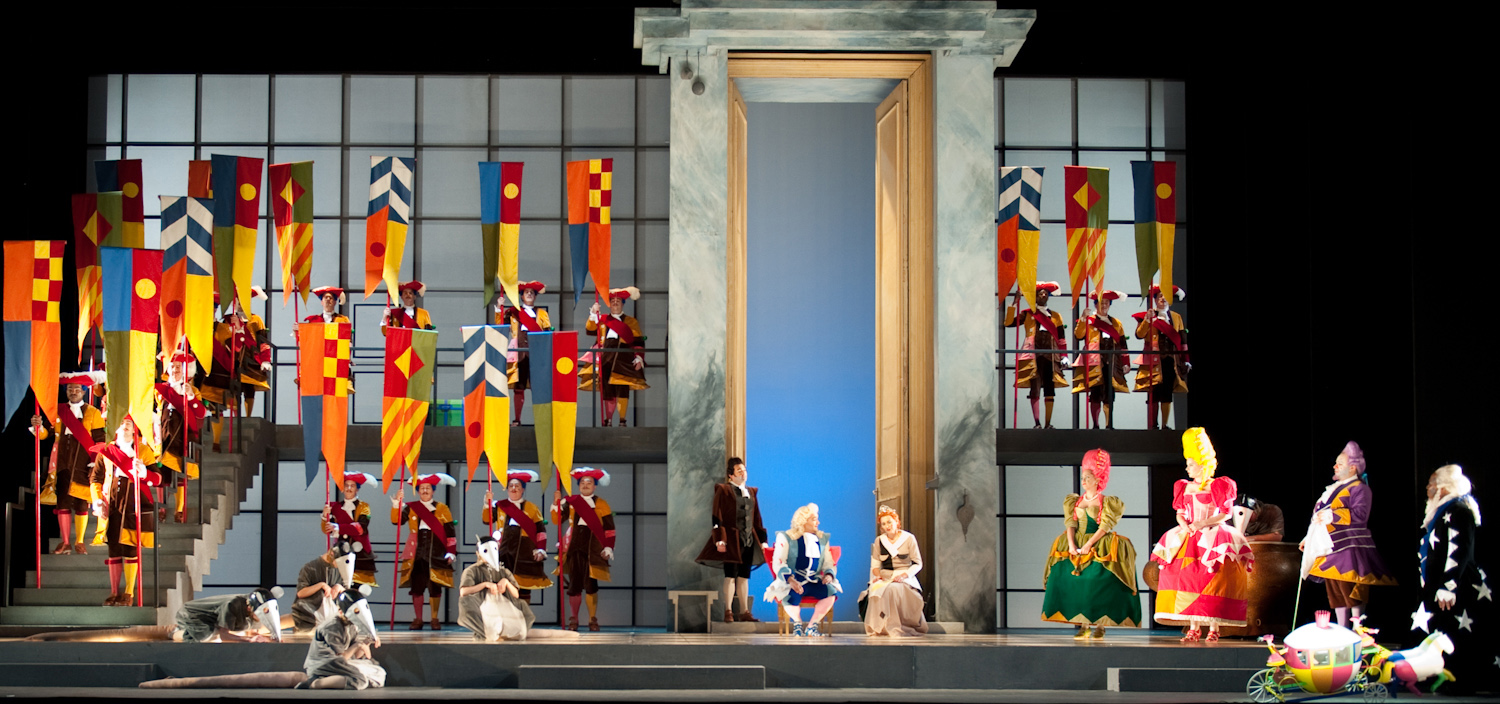
Prince Ramiro wins Cinderella in Seattle Opera’s “La Cenerentola,” with sets and costumes designed by Joan Guillén – Photo © Elise Bakketun
It turns out that Rossini’s Cinderella is a romantic comedy of the bel canto (“Beautiful Singing”) kind. The story was altered by librettist Jacopo Ferretti both in characters and in plot, but yes, in the end, the prince does get the lovely, virtuous Cinderella as his bride. This takes two acts stretched over three hours (including a half-hour intermission). During the pursuit, there are lots of laughs and some extraordinary singing.
The basic premise of the opera, writes Spreight Jenkins, General Director of the Seattle Opera, is that the prince wants to marry someone who loves him for himself, not his position, power or wealth. That romantic ideal still plays well in 2013 in Western society, does it not? Cinderella, called Angelina in this opera, is a forward-looking person who also will marry only for love but wants respect, too. She is not a male-dominated person, and she is not ambitious to become a princess. She stands up for herself, knows what she wants, and wins it fair and square on her terms—her man must be willing to make an effort to win her. This idea of feminity is still modern and plays well in 2013 in America and elsewhere, does it not? Jenkins writes in Encore, “There’s a lot of humor, but we see in Angelina a far more recognizable and believable young woman than many created in the nineteenth century. She is generous when she wins, and altogether she is a really charming person who might fit very well into the twenty-first century.”
Here’s what the bel canto style meant when it was dominant from the 18th century until about 1840, according to the experts at Wikipedia:
- an impeccable legato production throughout the singer’s (seamless) range
- the use of a light tone in the higher registers
- an agile, flexible technique capable of dispatching ornate embellishments
- the ability to execute fast, accurate divisions
- the avoidance of aspirates and eschewing a loose vibrato
- a pleasing, well-focused timbre
- a clean attack
- limpid diction
- graceful phrasing rooted in a complete mastery of breath control

Alidoro (Arthur Woodleyj), tutor to Prince Ramiro, has other plans for Cinderella – Photo by Alan Alabastro.
The music was written to show off the exceptional quality of the singers’ voices. I especially enjoyed the various ensembles. The precision of the attacks, phrasing, and breath control were remarkable and often, as intended, funny! I imagine it would be quite challenging and possibly exhausting to sing for so long in that style. Among the voices I enjoyed the most were those of Angelina (Cinderella), mezzo-soprano; Alidoro, bass; Dandini, baritone; and Don Magnifico, bass.

Courtesy of Seattle Symphony & Opera Players’ Organization
I enjoyed listening to the orchestra, too, hearing and watching how the music from the pit matched the action on stage. It’s great fun to play trumpet in the orchestra of a musical or an opera. I did both long ago on the college level—but now I’m just a happy spectator. I wonder if any of my trumpet students will ever have that wonderful experience. I hope so. That would please me, as did this . 😉 Please click on any photo to enlarge it:
-

-
Daniela Pini (Cenerentola) – Photo © Elise Bakketun
-

-
Father and daughters plot for one to wed the prince – Dana Pundt (Clorinda), Patrick Carfizzi (Don Magnifico), Sarah Larsen (Tisbe), and Daniela Pini (Cenerentola) – Photo © Alan Alabastro
-
-
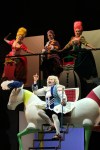
The real valet, Dandini (Brett Polegato), pretending to be the prince, invites Tisbe (Sarah Larsen), Don Magnifico (Patrick Carfizzi), and Clorinda (Dana Pundt) to his ball. – Photo by Alan Alabastro
-

-
Gioachino Rossini, painted c. 1815 by Vincenzo Camuccini
-

-
Portrait of Gioachino Rossini in 1820, International Museum and Library of Music, Bologna, Italy
-
-
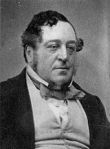
Photograph of Gioachino Rossini (Ransom Humanities Research Center, The University of Texas at Austin), USA
-

-
Gioachino Rossini, photographed by Félix Nadar, 1858
-

-
Gioachino Rossini, photographed by Étienne Carjat, 1865
-
-
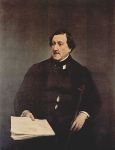
Portrait of Gioachino Rossini by Francesco Hayez, 1870
Pinacoteca di Brera, Milan, Italy
-

-
Rossini’s now-empty tomb at Père Lachaise Cemetery in Paris, France
-

-
Rossini’s final resting place, in the Basilica of Santa Croce, Florence, Italy
Posted in Professional Concerts | Tagged: bel canto, Cinderella, composer, ensembles, Ferritti, La Cenerentola, librettist, McCall Hall, music, opera, orchestra, Rossini, Seattle Opera, Seattle Symphony & Opera Players' Organization, Spreight Jenkins, The Barber of Seville, trumpet | Leave a Comment »
Posted by glennled on January 17, 2013
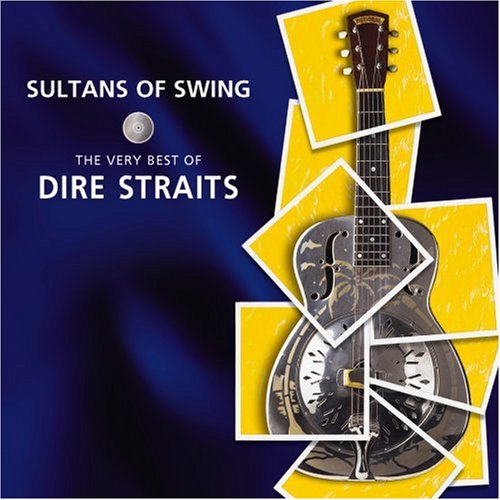
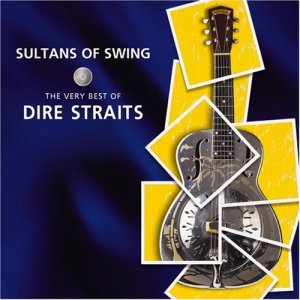 Lately, I’ve been listening again to Dire Straits, a British rock band led by Mark Knopfler. Their biggest selling album, Brothers in Arms, has sold over 30 million copies, and their worldwide album sales exceed 120 million. The band’s career spanned a combined total of 15 years (1977-1988, 1991-1995). Their most popular songs include “Sultans of Swing,” “Money for Nothing,” “Walk of Life,” “Brothers in Arms,” “Lady Writer,” “Romeo and Juliet,” “Tunnel of Love,” “Private Investigations,” “So Far Away,” and “Your Latest Trick.”
In the “Sultans of Swing” song, a crowd of young boys in the honky tonk, “dressed in their best brown baggies and their platform soles,” are drunk as they listen to a band called the Sultans of Swing. Two lines, sung with dripping disdain, catch my ear: “They don’t give a damn about any trumpet playing band, It ain’t what they call rock and roll…”
Well, now, wait just a minute! You can’t dismiss all us horns. Those boys obviously don’t know their jazz music history and don’t even care about learning it either. No, even though the Sultans of Swing may play some swing music on their rock and roll instruments (guitars, keyboards, synthesizer, and percussion), that’s not the swing music of the great Swing Band Era, ~1936-1944. And all those big bands did feature trumpeters—and some great ones, too!
Want to hear some swing trumpeters from a time long gone by? Try these, for seven of the best:
Yeah, that was then, way back when I was a boy. Today, I also love the “Sultans of Swing” by Dire Straits even though they trash us trumpeters. But someday, they, too, will be bye-gones, like brown baggies and platform shoes. 😉
Please click on any image to enlarge it.
-
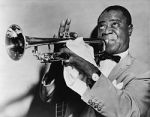
-
Louis Armstrong
-

-
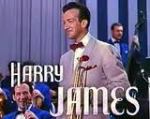
-

-
Ziggy Elman
-
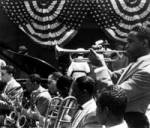
-
Harry “Sweets” Edison
-

-
Bobby Hackett
-

-
Oran “Hot Lips” Page
Posted in Selected Trumpet Music | Tagged: band, big, Bobby Hackett, Dire Straits, Harry Edison, Harry James, horns, instruments, Louis Armstrong, Mark Knopfler, music, Oran Page, rock and roll, Roy Eldridge, Sultans of Swing, swing, trumpet, trumpeters, Ziggy Elman | 4 Comments »
Posted by glennled on January 12, 2013
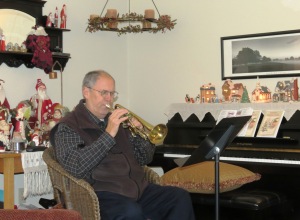
Glenn Ledbetter plays “Mele Kalikimaka” on his Super Olds Cornet (1954)
Our family tradition on Christmas Eve includes singing Christmas carols after dinner and before opening gifts. My wife plays piano as we sing, and a few years ago, we added a couple of trumpet solos to the program. This year, I played “Mele Kalikimaka” because on all our minds was the recent loss of my wife’s mother, Ruth, who died peacefully on 12 October. This was our first Christmas without her.
To Ruth, Hawaii was paradise. She and her husband, Mac, first went to Waikiki to celebrate their 25th wedding anniversary. They always returned annually until he passed away, and then she continued to go back. In all, she vacationed there for 39 straight years! She was a bright spirit, and we miss her so much.
“Mele Kalikimaka” means “Merry Christmas,” and Robert Alex Anderson wrote the song in 1949. Bing Crosby and The Andrews Sisters recorded the song in 1950 on Decca 27228 (78 rpm)/9-27228 (45 rmp). To hear their recording, please see http://www.youtube.com/watch?v=WJhYrC8Rq8w.
For my second trumpet solo, I played “Angels We Have Heard on High,” a traditional French carol.
Posted in Musical Events at Home | Tagged: Andrews Sisters, Angels We Have Heard on High, Bing Crosby, carols, cornet, Mele Kalikimaka, Robert Alex Anderson, Super Olds, trumpet | 9 Comments »